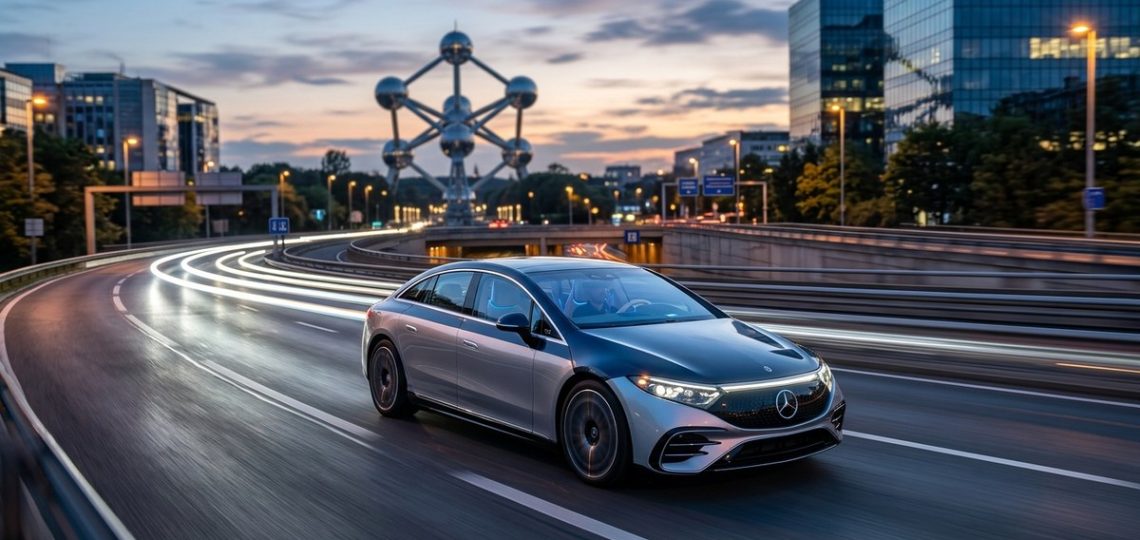
Nowoczesne technologie w motoryzacji
The car world is evolving at a speed that would have felt like science fiction a decade ago. Today, modern technologies in the automotive sector blend performance, safety, sustainability, and a touch of luxury to create driving experiences that are smarter, calmer, and more connected than ever before. For readers of The Brussels Connection who care about motoring and lifestyle, this is an exciting moment. From the way cars are powered to how they talk to our cities, technology is rewriting what it means to drive not just a car, but a complete mobility experience.
Electrification and Alternative Drives
Electric propulsion is no longer a niche niche experiment. It has become a central pillar of mainstream automotive strategy, and the shift is accelerating across segments from luxury sedans to performance SUVs.
- Battery technology is improving rapidly. Higher energy density and longer lifetimes mean more miles between charges and fewer visits to the charger.
- Charging infrastructure is expanding. Fast charging networks and home charging solutions make electric driving practical for daily life, weekend getaways, and business travel.
- Hybrid and plug-in hybrid options remain important. They bridge the gap for customers who want electric benefits without range anxiety, offering a familiar fueling routine with a cleaner footprint.
- Hydrogen fuel cells and alternative fuels are exploring niche roles. In some markets and applications, they offer rapid refueling and long range, particularly for larger vehicles and commercial fleets.
Practical luxury today includes guidance on ownership costs, charging habits, and how to plan long trips with reliable energy caches. The trend is toward seamless integration of propulsion systems with the vehicle’s overall engineering, giving drivers an effortless experience that feels more like sipping a premium espresso than managing a complex machine.
Battery technology and range
- Energy density improvements translate into longer ranges on a single charge.
- Thermal management becomes more critical to protect battery health and performance in all climates.
- Battery recycling and second life applications help reduce the environmental footprint of electric vehicles.
Charging and ownership experience
- Home wall boxes paired with smart scheduling can cut charging costs.
- Public charging networks are becoming more user friendly with standardized connectors and universal payment methods.
- Vehicle software updates can unlock efficiency gains without a visit to a service center.
Electrification also brings a new level of quiet refinement in luxury cars. The absence of engine noise allows a focus on sound design, interior silence, and the choreography of electric torque for a refined driving feel.
Advanced Driver Assistance Systems and Sensor Fusion
ADAS stands at the intersection of safety and convenience. As sensors, cameras, radar, and lidar improve, cars become more capable partners on the road.
- Adaptive cruise control, lane keeping assist, automatic emergency braking, and traffic jam assist are becoming standard in many segments.
- Parking assistance and surround-view cameras reduce stress in tight spaces and make city driving easier.
- Sensor fusion blends data from multiple sources to improve object detection, predicting risks before they become critical.
For luxury customers, ADAS is not just safety gear; it is a decoupled form of assistance that preserves the driver’s sense of control while elevating confidence behind the wheel. It can also enable more relaxed highway cruises or easier daily commutes through complex traffic patterns.
Safety, but with a human touch
- Overly aggressive automated interventions can feel intrusive. The best systems balance proactive safety with respect for driver intent.
- Regular software updates bring new features and refinements, ensuring that the car improves over time rather than becoming outdated.
Future pathways
- Gradual transition toward level 3 and level 4 capabilities in controlled environments.
- More intuitive driver interfaces that prioritize minimal distraction and natural interaction.
Digital Integration and Connectivity
The modern car is also a digital hub. Connectivity is not an add-on; it is an essential part of the driving experience.
- Over-the-air OTA updates keep vehicle software current without dealer visits, expanding features and optimizing performance.
- Infotainment systems have evolved into modular platforms with access to streaming, navigation, voice assistants, and smartphone integration.
- Vehicle data is increasingly shared securely with cloud services, enabling remote diagnostics, predictive maintenance, and personalized recommendations.
A connected car can adapt to your preferences, remembering seating positions, climate settings, and preferred driving modes. It can also collaborate with smart home devices and city infrastructure to create a more cohesive daily routine.
The digital cockpit
- AI-powered assistants help with navigation, messaging, and music without taking your eyes off the road.
- Personalization extends to ambient lighting, haptic feedback, and driver profiles that adjust to your mood and preferences.
Security in a connected world
- With more data exchange comes a greater responsibility to protect against cyber threats.
- Manufacturers are investing in encryption, secure boot processes, and regular security updates to defend against intrusions.
Materials, Design, and Structural Innovation
Modern vehicles rely on advanced materials to deliver performance, efficiency, and safety. The push toward lighter, stronger, and more sustainable construction is reshaping how cars feel on the road.
- Lightweight materials like high-strength steel, aluminum, and advanced composites reduce weight and improve efficiency.
- Innovative manufacturing methods and joinery techniques improve crash safety while enabling bolder styling.
- Aerodynamics remains a subtle but crucial factor in efficiency and performance.
Luxury brands in particular are leveraging these innovations to deliver quiet cabins, dynamic performance, and refined handling that still honors the brand’s signature character.
Why materials matter for luxury
- Reduced weight often means better acceleration and handling without sacrificing ride quality.
- Safer structures inspire confidence in every journey, from daily commutes to long road trips.
- Sustainable materials align with modern luxury’s emphasis on responsible craftsmanship.
Autonomous Vehicles and Artificial Intelligence
Autonomous driving is not a single leap but a continuum. From assisted driving to highly automated modes, AI is the brain behind the progress.
- Perception systems use cameras, lidar, radar, and data from the vehicle’s surroundings to interpret the world.
- Decision-making algorithms determine safe maneuvering and route choices.
- AI enables predictive maintenance by analyzing patterns in sensor data and vehicle health.
Regulatory and ethical considerations accompany the technical progress. Manufacturers pursue rigorous testing and validation to ensure safety and reliability across diverse environments.
AI in the cockpit
- Voice and gesture controls reduce distraction and make interactions more intuitive.
- AI personalizes the driving experience by learning preferences and optimizing performance and comfort.
- In shared mobility contexts, AI helps manage fleets, optimize routing, and enhance passenger experience.
New Patterns of Vehicle Use
The car is becoming part of a larger mobility ecosystem. New usage models appeal to urban lifestyles, environmental goals, and the desire for flexibility.
- Car sharing and on-demand mobility services reduce ownership costs and improve access to luxury experiences.
- Mobility as a Service (MaaS) platforms integrate public transit, ride-hailing, and car rentals into seamless itineraries.
- Flexible ownership models, subscription services, and pay-as-you-go options give customers choices that fit changing needs.
In a city like Brussels, where traffic and congestion can be challenging, these models offer practical advantages while maintaining the premium feel of a carefully curated transportation option.
Benefits for luxury enthusiasts
- Access to high-end vehicles when needed without the full responsibilities of ownership.
- Curated experiences, concierge services, and on-demand premium transport can elevate special occasions and business travel.
- The opportunity to test and compare different models before committing to a purchase.
Energy Management and Efficiency
Efficient energy use is about more than just range. It influences performance, comfort, and the car’s long-term value.
- Regenerative braking captures energy during deceleration and contributes to overall efficiency.
- Thermal management systems keep the cabin comfortable while preserving battery health and performance.
- Intelligent energy management optimizes climate control, powertrain settings, and accessory loads for maximum efficiency.
Battery lifecycle and sustainability are important topics here as well. Automakers are exploring second life applications for used batteries and responsible recycling streams to minimize environmental impact.
Personalization and the In-Car Experience
The modern luxury car is a personalized space. The driving experience can be tailored to the driver’s habits, mood, and preferences.
- AI-powered cockpit experiences adjust seating, climate, lighting, and media based on who is behind the wheel.
- Voice and gesture controls offer hands-free interaction with minimal distraction.
- Customized displays and instrument clusters present information in a way that suits individual preferences.
Personalization extends to the vehicle’s software ecosystem, where owners can choose apps, services, and even the digital ambiance to reflect their lifestyle.
Creating a refined atmosphere
- Ambient lighting can shift to match time of day or mood.
- Sound design and acoustic tuning create a premium sensory experience that complements the vehicle’s performance.
The Connected Car and Smart City Symbiosis
Vehicles are no longer isolated machines. They are nodes in a broader network that includes infrastructure, other vehicles, and digital services.
- Vehicle-to-Infrastructure V2I communication helps optimize traffic flow, reduce congestion, and improve safety.
- Vehicle-to-Vehicle V2V sharing of data enables safer lane changes, cooperative braking, and smoother merges.
This connected ecosystem supports smarter cities, cleaner air, and more predictable commutes. It also introduces complexity in terms of data governance and cybersecurity.
Navigating a connected world
- Data sharing must balance usefulness with privacy and security.
- Standards and interoperability are key to making connected car features work across brands and regions.
Cybersecurity and Data Privacy
As cars collect and exchange more data, the risk surface expands. Cybersecurity is now a central consideration in automotive development.
- Strict encryption, secure software update mechanisms, and regular vulnerability testing are essential.
- Privacy protections must be built into data collection practices, giving drivers control over what is shared and how it is used.
- Collaboration among automakers, regulators, and tech partners helps create resilient, standardized security frameworks.
For luxury buyers, cybersecurity translates into peace of mind. It ensures that cutting edge features remain reliable and safe over the vehicle’s lifespan.
The Green Revolution and Sustainability
The push for sustainability intersects with high performance and evolving design principles.
- Electric drivetrains reduce emissions and enable a higher degree of tuning for both efficiency and acceleration.
- Hybrid solutions offer a pragmatic step toward lower emissions where full electrification is not yet practical.
- Emissions reduction is not just about the powertrain; it involves sustainable manufacturing, responsible supply chains, and lifecycle thinking.
Luxury brands are increasingly transparent about sustainability, offering traceable materials, sustainable manufacturing practices, and end-of-life programs that align with discerning consumer values.
Luxury, Lifestyle, and the Driving Experience
Modern technologies enrich the luxury car narrative by offering experiences that blend engineering excellence with personal well being and social status.
- Concierge and lifestyle services can be integrated with the vehicle, creating a seamless travel experience from door to door.
- Exclusive infotainment and premium audio systems deliver immersive experiences on the move.
- The tactile delight of high quality interiors, responsive controls, and serene cabins remains a cornerstone of luxury, enhanced by quiet electric drivetrains and refined acoustics.
The Brussels Connection celebrates how technology and luxury intersect, turning everyday drives into curated journeys that reflect a refined lifestyle.
Practical Guidance for Buyers and Enthusiasts
If you are exploring modern technologies in the automotive space, here are practical pointers to consider.
- Define your priorities: electric range, safety features, luxury touches, or a mix of all three.
- Test drive with a focus on technology: how intuitive are the interfaces, how do the ADAS features feel, and how does the cockpit adapt to you.
- Consider ownership costs: charging, maintenance, software updates, and potential subscription services.
- Evaluate ecosystem compatibility: does the vehicle work well with your home, your devices, and your preferred mobility services?
- Look for future readiness: OTA update cadence, potential for new features, and the brand’s roadmap for autonomous capabilities.
Conclusion
The landscape of modern automotive technology is richer and more dynamic than ever. Electrification, ADAS, autonomous driving, connectivity, and intelligent design are converging to create vehicles that are safer, more efficient, and more luxurious. Whether you are a technology enthusiast, a lifestyle seeker, or a luxury car aficionado, the current era offers a compelling fusion of performance, sophistication, and responsible mobility. The Brussels Connection will keep exploring how these innovations influence not just the road ahead but also how we live our daily lives, our wellness, and our appreciation for design and quality on the move.