Wpływ VR na rynek nieruchomości
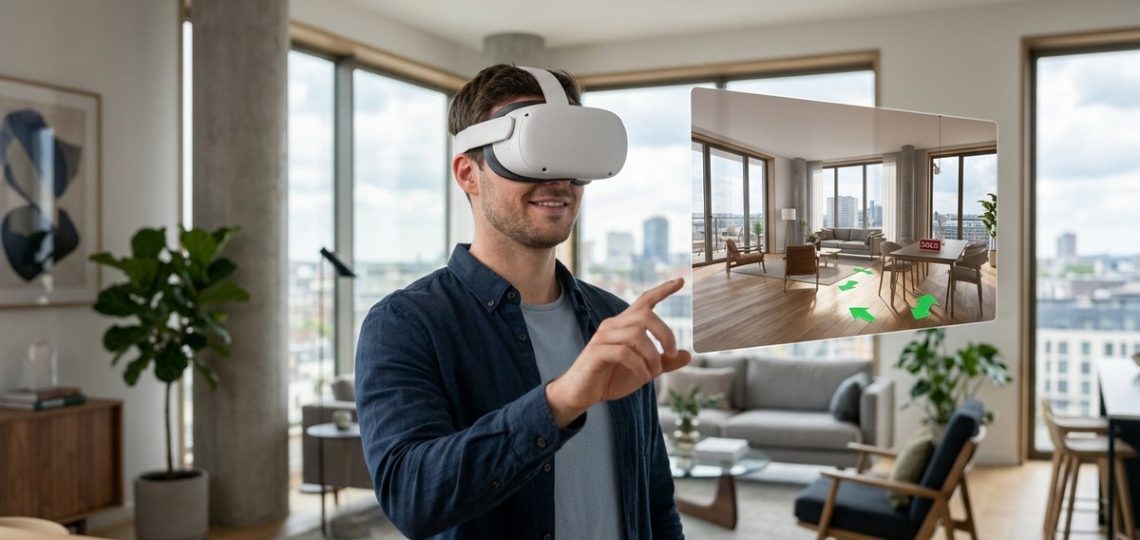
The real estate industry is embracing a new kind of open house. Not the traditional walk through with a clipboard and coffee, but a high tech, immersive experience that defies distance and time. Virtual reality VR technology is no longer a futuristic novelty; it is a practical tool that helps buyers explore spaces, helps sellers showcase properties more efficiently, and assists developers in presenting visions with unprecedented clarity. If you are in the real estate business or simply curious about how homes are marketed today, VR offers a compelling glimpse into the future while delivering real benefits in the present.
Why VR matters in real estate
VR reshapes how people discover, evaluate, and decide on a property. It addresses three core pain points: time, access, and clarity. Buyers who can step into a space without leaving their current city gain confidence and save trips. Agents can reach a wider audience with consistent showings. Developers can present an ambitious design as a tangible experience rather than a set of plans.
The buyer’s perspective: immersive tours from anywhere
- Save time by removing unnecessary visits to properties that do not fit budget or layout.
- Experience scale and flow through interactive 3D environments that feel like a real space.
- Revisit details at your own pace, pause at features you care about, and compare multiple properties side by side.
The agent’s toolkit: efficiency and reach
- Reach international or domestic buyers who cannot travel for a site visit.
- Provide on demand tours 24 7, reducing the back and forth between clients and agents.
- Reduce fatigue from repetitive showings while maintaining a high level of engagement.
The developer and marketer angle
- Present ambitious designs with life like lighting, materials, and textures.
- Offer configurators that let buyers tailor layouts before construction or during early phases.
- Build trust with data backed experiences that help clients understand space, proportion, and potential.
The difference between VR and AR in real estate
- VR creates a fully immersive, computer generated environment. It transports the user to a space that may not exist yet or may be hard to access in person.
- AR overlays digital information onto the real world. In real estate, AR can help clients visualize furniture in a real room or see how modifications affect a space.
- Both tools have a place in a modern marketing toolkit, often complementing each other to support different stages of the buyer journey.
Core use cases you will see in practice
Virtual tours and 360 degree experiences
- Full property walkthroughs that feel like a live guided tour.
- Interactive hotspots to learn about room dimensions, materials, and design options.
- Ability to compare multiple properties in a single session.
Virtual staging and design configurators
- Digital furniture and finish options that help buyers imagine living in a space.
- Personalization features such as wall colors, flooring, and fixtures to reflect client taste.
- Configurators that let buyers switch layouts and see how changes affect space planning.
VR showrooms and on site kiosks
- Dedicated VR stations at office showrooms or on building sites.
- Quick access to multiple floor plans and unit types through a headset or touch screen interface.
- Consistent presentation for all clients, regardless of who is leading the tour.
Remote open houses and live VR events
- Scheduled live sessions where a remote audience can join a guided walkthrough.
- Q and A features to answer questions in real time during the session.
- Recordings for later viewing to nurture leads who cannot attend.
3D capture and photorealistic visualization
- Photogrammetry and 3D scanning create accurate models of existing spaces.
- Realistic textures, lighting, and geometry that reflect real materials.
- The ability to explore both current conditions and proposed renovations.
How VR changes the buyer journey
VR changes the traditional path from first interest to decision. It introduces a new layer of information and a new set of interactions that can be integrated at different stages.
- Initial exploration becomes deeper and more efficient.
- Shortlist building is accelerated through high quality virtual experiences.
- In depth evaluations can occur without physical travel.
- Final decision making benefits from a sense of presence and scale before signing a contract.
Step 1: Discover and compare remotely
- Use VR tours to browse properties across cities or countries.
- Save favorites and organize watches with notes about preferences.
- Share immersive links with family members or lenders for faster consensus.
Step 2: Qualify interest with interactive experiences
- Examine layout flows, door swings, and spatial relationships with precision.
- Test design options and finishes to see what resonates with taste and budget.
- Assess proximity to amenities and neighborhood features through integrated maps.
Step 3: Visit or virtualize on demand
- Schedule a real world or VR guided tour based on availability.
- Combine on site visits with VR sessions to optimize time during a trip.
- Use VR to confirm or question details before a potential move.
Step 4: Decide and close with confidence
- Compare offers and configurations using consistent VR data.
- Share a final immersive experience with partners and lenders.
- Rely on a detailed, repeatable visualization as part of the purchasing package.
The technology stack and cost considerations
Implementing VR in real estate requires thoughtful choices about hardware, software, and content creation. Start with scalable options that fit your goals and budget.
- Hardware options
- Standalone headsets for clients and staff (for example, easy to use devices that do not require a PC).
- PC based headsets for high fidelity visuals and complex scenes.
- Mobile VR for quick portables when costs must stay low.
- Software platforms
- 3D tour creators and platforms that support 360 degree experiences.
- VR configurators and interior design tools that let clients personalize spaces.
- Content management systems that organize property assets and enable easy sharing.
- Content creation
- Photogrammetry and 3D scanning to produce accurate models of existing properties.
- High quality photography and lighting to ensure photorealistic results.
- Digital staging to visualize furniture and decor without physical moves.
- Ongoing costs
- Subscriptions for software and hosting of VR experiences.
- Updates to content as properties change or new units come online.
- Training for staff to maintain and present VR experiences effectively.
Implementation roadmap for brokers and developers
If you are considering a VR rollout, here is a practical, step by step plan that can guide you from concept to scale.
Step 1: Define goals and success metrics
- Determine if VR will reduce showings, shorten decision times, or attract more international buyers.
- Set measurable targets such as percent reduction in in person visits or increase in time spent viewing assets.
Step 2: Choose a platform and hardware mix
- Evaluate whether you need standalone headsets or PC based systems.
- Consider cross platform compatibility so clients can use different devices.
- Align hardware with your typical property size and market expectations.
Step 3: Create core content first
- Start with a flagship property to refine processes.
- Develop a basic virtual tour with simple hotspots before expanding to configurators.
- Produce photorealistic visuals for the most popular properties.
Step 4: Pilot with a controlled audience
- Invite a mix of buyers, sellers and agents to a beta test.
- Gather feedback on usability, load times and the perceived realism.
- Iterate on the experience to remove friction points.
Step 5: Scale and integrate into marketing
- Add VR experiences to your website, social media, and listings.
- Create landing pages that explain how to access and experience VR tours.
- Train sales teams to reference VR during client conversations.
Step 6: Measure, optimize and expand
- Track engagement metrics such as time spent in VR, interactions, and conversion rates.
- Optimize content based on user behavior and feedback.
- Expand to additional properties and consider AR overlays to support interior design and renovations.
Challenges and considerations to keep in mind
While VR offers many advantages, there are challenges to address to ensure a successful adoption.
- Cost and ROI
- Initial investments can be high, but long term savings come from fewer in person visits and faster sales cycles.
- Build a phased plan to spread costs and demonstrate value early.
- Accessibility and usability
- Some clients may have limited access to VR hardware or discomfort with headsets.
- Provide alternative options such as 2D virtual tours and AR previews to ensure inclusivity.
- Data privacy and compliance
- VR platforms may collect user data; ensure you have consent and follow local regulations.
- Be transparent about data use and implement strong security practices.
- Content creation complexity
- High fidelity 3D models require skilled capture and processing.
- Plan for ongoing maintenance as properties change or new units come online.
- Technical reliability
- Ensure reliable hosting and fast loading times to avoid user drop off.
- Prepare fall back options if the VR experience is temporarily unavailable.
Real world examples and what works well
- A developer uses VR configurators to let buyers customize layouts, materials and finishes before a single brick is laid. This reduces change orders later and creates a sense of ownership early.
- A brokerage offers VR showrooms at their head office and on their website. Prospective buyers can take guided tours during off hours when real agents are unavailable, driving engagement and lead generation.
- A property marketing firm deploys 360 degree video tours paired with interactive floor plans. Clients can toggle between different apartment types to compare space usage quickly.
The future of VR in real estate
The potential of VR in real estate continues to expand. Expect to see advances in:
- Virtual reality and AI integration
- Smart agents powered by AI can guide clients through VR spaces and automatically highlight features of interest.
- AI can tailor virtual tours to a client’s preferences and past behavior.
- More immersive design configurators
- Real time design changes with accurate lighting simulations and material libraries.
- Collaboration features that allow multiple people to view and discuss changes simultaneously.
- Digital twins for ongoing management
- VR combined with BIM models to provide up to date as built information.
- Property managers use VR to plan renovations and communicate changes clearly with tenants.
- Mixed reality experiences
- A blend of AR and VR enabling clients to visualize renovations on the actual site and switch between configurations with a simple gesture.
Local perspective: EU markets and Brussels context
The European market is highly attentive to data protection, privacy, and cross border transactions. In Brussels and wider Europe, VR can help real estate professionals reach diverse buyers, including institutional investors and international buyers who cannot travel frequently. To succeed locally, consider:
- Compliance with GDPR and data privacy when collecting and storing user interactions with VR content.
- Language and localization options to address a multilingual audience.
- Partnerships with local developers to showcase EU compliant design standards and energy efficiency visuals.
- Clear disclosures about what is simulated in VR versus what is real in the physical property.
- Accessibility considerations and options for clients with varying comfort levels with technology.
Case studies and hypothetical scenarios to illustrate impact
- Case study 1: A mid market condo project uses a VR showroom where buyers can walk through units and then switch to AR to visualize furniture in the actual space during a final viewing. The result is a shorter sales cycle and higher satisfaction ratings from buyers.
- Case study 2: A brokerage implements 360 degree property tours for international clients. Prospective buyers in Asia can explore properties in Brussels from their home country, leading to more in person visits and faster closings.
- Hypothetical scenario: A villa development uses VR to present multiple finish packages. Buyers can see how different materials reflect light in various times of day, helping them make confident choices before construction begins.
- Hypothetical scenario: An apartment building uses a VR open house that streams live, enabling a landlord to respond to questions in real time and capture leads instantly through integrated contact forms.
Best practices for creating engaging VR experiences
To ensure your VR program delivers value, follow these guidelines:
- Prioritize realism and accuracy
- Realistic lighting, textures, and proportions make the experience credible.
- Use high quality scans and keep models updated with the latest design changes.
- Keep the user journey simple
- Clear navigation and intuitive hotspots help users explore without confusion.
- Provide a straightforward path from discovery to inquiry or booking a tour.
- Offer multiple formats
- Provide VR headsets as well as 2D tours for accessibility.
- Include AR previews for interior design and furniture placement in real spaces.
- Focus on performance
- Optimize models to minimize load times and ensure smooth interaction.
- Test across devices to prevent device specific issues.
- Collect feedback and iterate
- Use surveys and analytics to understand how users engage with VR content.
- Update tours based on feedback to improve retention and conversion.
Quick start checklist for readers
- Define what you want VR to achieve in your business.
- Choose a platform that matches your property portfolio and budget.
- Start with one or two flagship properties to pilot.
- Create a realistic 3D model or 360 degree tour with interactive hotspots.
- Provide alternative options for users who do not own VR gear.
- Train your team to present VR experiences confidently.
- Measure engagement, lead quality, and conversion metrics.
- Scale gradually to additional properties and markets.
- Keep content fresh by updating finishes, layouts and project status.
Final thoughts
VR is not a distant dream for real estate professionals. It is a practical, scalable tool that can transform how buyers discover homes, how sellers market spaces, and how developers demonstrate future visions. The benefits span time savings, broader reach, improved decision making, and a more engaging overall experience. As technology continues to advance, the line between virtual and real for property tours will become even thinner, opening new possibilities for collaboration and creativity in the market.
If you are part of The Brussels Connection audience or a reader exploring real estate and lifestyle topics, consider how VR can fit into your marketing, sales or development strategy. Start small, measure impact, and expand as you learn what resonates with clients in your market. The right VR approach can turn ambitious plans into tangible outcomes, helping you stand out in a competitive landscape while delivering more value to buyers and sellers alike.
Quick takeaways
- VR enables immersive property exploration that reduces unnecessary travel and accelerates decision making.
- AR complements VR by enabling on site design visualizations and furniture placement in real spaces.
- A staged implementation plan with clear goals, scalable hardware, and a content first approach yields the best ROI.
- Compliance, accessibility, and ongoing content maintenance are essential to long term success.
- Brussels and EU markets benefit from cross border reach, multilingual content, and privacy guided experiences.
About The Brussels Connection
The Brussels Connection is a Polish lifestyle site focused on film, beauty, motoring, real estate and healthy living. Our real estate coverage includes technology driven trends that help you navigate the changing market. This article on the impact of VR on the real estate market aims to provide practical guidance for buyers, agents and developers while highlighting local insights for Brussels and Europe.